HORPTA
Horticulture Research Group: Production, Processing and Utilisation
Horticultural production, processing and utilisation
A multidisciplinary horticultural research and knowledge transfer group whose core activities focus on the conservation of plant genetic resources and plant improvement (nutritional and organoleptic characteristics, resistance and/or tolerance to biotic and abiotic stress factors), as well as the development of technologies for sustainable production based on circular economy principles, through to the valorisation of final products using processing and transformation technologies.
The group conducts basic research into plant–environment interactions and applied research, in collaboration with horticultural growers and industry, to identify the genetic and environmental factors that can improve the sustainability of horticultural production. It also transfers research findings to farmers and the food industry.
RESEARCH
public/private
national/international.

CONSULTANCY
New proposals for internet architectures

TRAINING
tailored training for businesses
in internet resource management.

ACADEMIC PROJECTS
Supervision of bachelor's, master's and industrial doctorate projects and theses.
Research and knowledge transfer areas in the agri-food sector
- Obtaining improved local plant genotypes adapted to soil and climatic conditions.
- Characterising the resistance and/or tolerance of local plant genotypes to biotic and abiotic stresses.
- Identifying ecophysiological parameters that indicate biotic and abiotic stress.
- Optimising crop rotation sequences to preserve soil fertility, improve microbial diversity, and enhance the activity and antagonistic capacity of soil microorganisms against plant pathogens.
- Improving sensor-assisted agronomic practices to optimise irrigation and fertilisation.
- Assessing the effects of biofertilisers and biostimulants (algae) on the yield and quality of vegetable crops and their resistance to biotic and abiotic stress.
- Selecting adapted genotypes using molecular and biotechnological tools.
- Designing sustainable vegetable processing systems using innovative technologies such as cryoconcentration and non-thermal processes.
- Designing new food products and ingredients derived from by-products within the circular economy framework.
Group's network of partners
Research group information
Agri-food projects
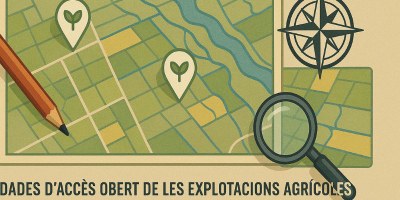

Agríxel_ES
Agricultural information standard for Artificial Intelligence-based services in agri-food use cases
View
NEM-EMERGE
An integrated set of new approaches to combat the emergence and spread of invasive and virulent soil nematodes
View
GIM-RICOBER
Integrated management of Meloidogyne in horticultural crops through induced resistance and cover crops
View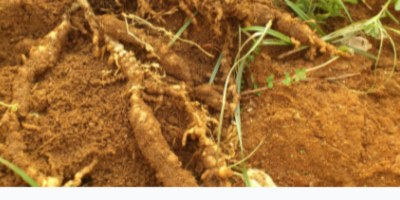
EGRES-AVIRULENT
Strategies for managing plant germplasm resistant to Meloidogyne to prevent the selection of virulence
View
RESCUMEP
Effect of R-gene resistance and resistance induced by endophytic fungi on Meloidogyne epidemiology and crop yield and quality in solanaceous and cucurbit crops
View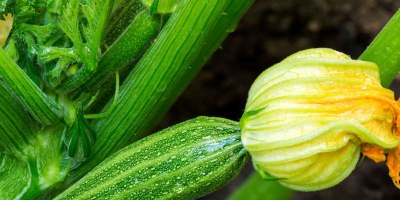
EPIMECUS
Study of Meloidogyne epidemiology in cucurbit and solanaceous crop rotations to design management strategies for sustainable agricultural systems
View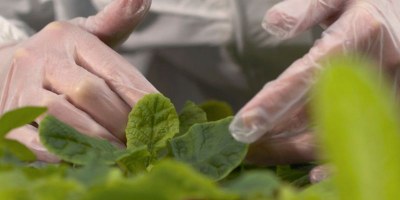
CONTROL BIOLÒGIC
Detection and characterisation of biological control organisms of Meloidogyne spp. and their compatibility with plant resistance
View
Share: